Your Guide to Understanding Government Contractor Watchdog Reports
Government contractor watchdog reports provide essential oversight and transparency for taxpayer-funded projects. These critical documents expose performance issues, cost overruns, and compliance failures, empowering officials and the public to demand accountability. Understanding these findings is key to ensuring public funds are spent effectively and responsibly.
Key Government Watchdog Agencies and Their Roles
Key government watchdog agencies provide essential oversight to ensure accountability and integrity within federal operations. The Government Accountability Office (GAO) audits and evaluates government programs, providing nonpartisan analysis to Congress. The Office of Inspector General (OIG), present in most major agencies, conducts independent audits and investigations to prevent fraud and abuse. The Congressional Budget Office (CBO) produces independent budgetary and economic data to inform legislative decisions. These entities collectively promote transparency and the efficient use of public funds.
Q: What is the primary difference between the GAO and an OIG?
A: The GAO is an independent agency serving Congress across the entire government, while an OIG is situated within a specific federal agency to monitor its internal programs.
The Government Accountability Office (GAO)
Key government watchdog agencies act as independent overseers, ensuring public funds are spent properly and laws are followed. The Government Accountability Office (GAO) audits federal spending, serving as a **nonpartisan congressional watchdog** for taxpayers. The Inspectors General (IGs) within each major agency investigate fraud and improve efficiency. Meanwhile, the Office of Special Counsel protects federal whistleblowers who expose wrongdoing. These entities are crucial for maintaining **government accountability and transparency**, providing essential checks on executive branch power.
The Agency Inspectors General (IGs)
Key government watchdog agencies act as independent overseers, ensuring accountability and transparency within federal operations. The Government Accountability Office (GAO) audits spending and investigates programs, while inspectors general (IGs) embedded within each department root out waste and fraud. These entities are crucial for promoting public trust in government by holding officials accountable. Their work directly protects taxpayer interests.
Without these watchdogs, there would be far fewer checks on the massive federal bureaucracy.
From reviewing contracts to exposing misconduct, these agencies provide essential oversight that strengthens democratic integrity and deters abuse of power.
The Congressional Research Service (CRS)
Key government watchdog agencies are essential for ensuring federal accountability and transparency. The Government Accountability Office (GAO) audits and investigates federal spending and programs, providing Congress with nonpartisan analysis. Inspectors General (IGs) within each major agency independently root out waste, fraud, and abuse. The Office 2014 or Bust – Afghanistan Pentagon Build-Up of Special Counsel enforces whistleblower protections and investigates prohibited personnel practices. Together, these entities form a critical oversight network that safeguards taxpayer dollars and promotes integrity across the executive branch.
Common Findings in Contractor Watchdog Reports
Contractor watchdog reports frequently reveal a pattern of concerning practices that jeopardize project integrity. Common findings include significant cost overruns and schedule delays, often stemming from poor initial estimates or mismanagement. Reports also routinely cite the use of substandard materials, violations of building codes, and a lack of proper licensing or insurance. Furthermore, a persistent failure to address safety protocols and a high volume of unresolved customer complaints are major red flags for any client. These consistent issues underscore the critical value of thorough vetting before awarding any contract.
Cost Overruns and Schedule Delays
Contractor watchdog reports frequently highlight patterns of poor communication and project mismanagement. A common finding involves significant cost overruns from change orders, often due to vague initial estimates or unforeseen issues not properly documented. **Hiring a reputable contractor** is crucial, as these reports also regularly cite the use of substandard materials or unlicensed subcontractors to cut corners. These recurring issues underscore the necessity of a meticulously detailed contract before work begins. Timelines are another frequent casualty, with delays commonly attributed to poor scheduling, crew shortages, or waiting for permits.

Lax Oversight and Poor Contract Management
Contractor watchdog reports often read like cautionary tales for homeowners. A common thread is the discovery of **unlicensed contractors** operating without proper credentials, leading to shoddy work that fails inspection. These narratives frequently detail incomplete projects abandoned after large upfront payments, the use of substandard materials hidden behind fresh paint, and a trail of unresolved complaints for the same business under different names. These findings underscore the critical importance of **vetting home improvement professionals** before signing any contract.
Deficiencies in Competition and Award Processes
Contractor watchdog reports often highlight a few common red flags. You’ll frequently see complaints about **poor project management**, like missed deadlines and cost overruns that weren’t in the original bid. Communication breakdowns are another big one, leaving homeowners in the dark. Many reports also detail subpar artistry or the use of inferior materials to cut corners. These **contractor complaint insights** reveal a pattern of unfulfilled promises, stressing the importance of thorough vetting before you sign a contract.
High-Profile Case Studies and Examples
High-profile case studies offer invaluable insights into real-world applications, transforming abstract theories into tangible lessons. Examining notable business failures like Blockbuster or analyzing the meteoric rise of companies such as Tesla provides a dynamic blueprint for strategy and innovation. These compelling narratives serve as powerful educational tools, allowing professionals to dissect pivotal decisions and their dramatic consequences, fostering a deeper, more practical understanding of complex principles in action.
Major Defense Acquisition Program Failures
High-profile case studies serve as compelling narratives that illuminate complex principles in action. The dramatic collapse of Enron, for instance, is a foundational **corporate governance case study**, masterfully illustrating how cultural rot and fraudulent accounting can destroy a giant. Similarly, Apple’s resurgence under Steve Jobs provides an enduring tale of innovation and brand loyalty, while the Tylenol tampering crisis remains the quintessential example of ethical crisis management. These stories transform abstract business theories into unforgettable, real-world lessons on risk, leadership, and consequence.
Information Technology and Modernization Challenges
High-profile case studies, like the Theranos fraud or the Boeing 737 MAX crises, offer powerful, real-world lessons. They move theory into practice, showing exactly how communication, ethics, and decision-making play out under extreme pressure. Analyzing these examples provides invaluable insights for businesses and leaders. Real-world business strategy analysis becomes tangible through these narratives.
These cases serve as the ultimate cautionary tales, teaching more than any textbook ever could.
By studying what went wrong (or right), we can directly apply those hard-earned lessons to avoid similar pitfalls and build more resilient organizations.
Controversies in Service Contracting
High-profile case studies captivate the public, transforming abstract principles into gripping narratives. The dramatic collapse of Enron, for instance, became the definitive real-world business ethics example, exposing systemic fraud and reshaping corporate governance worldwide. Similarly, Apple’s iconic resurgence under Steve Jobs serves as a masterclass in innovation storytelling, illustrating how visionary design can resurrect a brand.
These cases do more than instruct; they embed crucial lessons in the collective memory of industries.
From the Challenger disaster’s engineering lessons to Netflix’s disruptive evolution, each study provides an unforgettable anchor for complex strategic and ethical concepts.
The Impact and Consequences of Critical Reports
The impact of critical reports is profound, acting as a powerful catalyst for accountability and change. By exposing flaws, inefficiencies, or misconduct, they force institutions and individuals to confront uncomfortable truths. The immediate consequence is often reputational damage and a crisis of trust, which can trigger regulatory scrutiny and financial loss. However, the long-term effect is ideally corrective, leading to essential reforms, improved practices, and restored integrity. Ignoring such analysis risks systemic failure, while heeding it builds organizational resilience and public confidence.
Q: Can a critical report ever be beneficial?
A: Absolutely. While painful in the short term, it provides a vital roadmap for necessary improvement and can ultimately strengthen an organization’s foundation.
Contract Modifications, Fines, and Suspensions
The impact and consequences of critical reports are profound, shaping public perception and driving tangible change. A well-researched exposé can trigger regulatory scrutiny, collapse consumer trust, and decimate a company’s market valuation overnight. For organizations, this represents a severe **reputation management crisis** demanding immediate and transparent action. Conversely, such reports empower stakeholders, foster industry accountability, and can catalyze essential reforms, proving that rigorous scrutiny is a cornerstone of a healthy, functioning market.
Congressional Hearings and Legislative Reforms
Critical reports can trigger significant organizational and societal consequences, serving as a powerful catalyst for accountability and reform. They often expose systemic failures or misconduct, leading to immediate reputational damage, regulatory scrutiny, and a loss of public trust. This **crisis management strategy** becomes essential as entities must swiftly address findings to mitigate financial loss and operational disruption. Ultimately, while damaging in the short term, such reports can drive essential corrective actions, policy overhauls, and foster a culture of greater transparency, proving that rigorous scrutiny is a cornerstone of sustainable progress.
Changes to Federal Acquisition Regulations
Critical reports can trigger seismic shifts, acting as powerful catalysts for organizational accountability. By exposing flaws and malpractice, they force immediate scrutiny and demand corrective action. This public reckoning often leads to sweeping reforms, damaged reputations, and significant financial fallout. However, their lasting impact lies in **building public trust through transparency**, as they empower stakeholders and set new industry benchmarks. The consequences are dynamic, reshaping policies and corporate behavior long after the initial headlines fade.
How to Access and Monitor Watchdog Reports
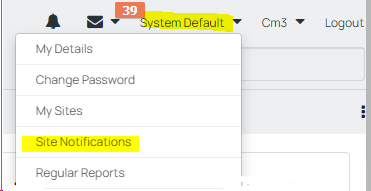
To access and monitor Watchdog reports, navigate to the Reports section within your admin dashboard. This centralized log dynamically catalogs system events, errors, and security alerts. For effective SEO performance monitoring, regularly review these entries, filtering by severity or type to identify critical issues swiftly. Setting up email notifications for new reports ensures proactive management, allowing you to maintain optimal site health and security by addressing problems before they impact users.
Primary Public Databases and Websites
To access and monitor official watchdog reports, start by visiting the specific oversight agency’s website, such as an Inspector General or Audit office. Bookmark their publications page and subscribe to their email alerts or RSS feeds for automatic updates. For active monitoring, set up Google Alerts using precise keywords like the agency’s name combined with “report” or “findings.” This proactive approach ensures you receive critical transparency documents directly, keeping you informed on accountability and performance.
Setting Up Alerts for Specific Agencies or Contractors
To access and monitor official watchdog reports, first identify the relevant oversight agency for your industry or concern. Routinely visit their official website, typically locating reports within sections like “Publications,” “Ongoing Reviews,” or “Findings.” For proactive monitoring, subscribe to their press release distribution list or RSS feed. Establishing a systematic compliance review process ensures you promptly address any relevant findings and mitigate organizational risk.
Interpreting Report Recommendations and Agency Responses
To access and monitor watchdog reports, first identify the relevant oversight body for your industry, such as a government accountability office or an independent audit firm. Proactively subscribe to their official alert systems and RSS feeds for real-time updates. For effective compliance monitoring, regularly review these published findings and set up automated keyword alerts for your organization’s name to track any mentions. This diligent approach is essential for robust regulatory compliance and maintaining organizational integrity.
Best Practices for Contractors in Response to Scrutiny
To navigate increased scrutiny, contractors must prioritize transparency and proactive communication. Establish a rigorous internal compliance program, with regular audits and clear documentation protocols for all projects. When questions arise, respond promptly and factually, avoiding defensiveness. Cultivating a culture of ethical operational integrity is paramount; this includes thorough employee training and strict adherence to all regulations and contract terms. Ultimately, a reputation for reliability and contractual compliance, built on verifiable records and consistent performance, is the most effective defense against scrutiny and the foundation for long-term success.
Proactive Compliance and Internal Auditing
When facing increased scrutiny, a contractor’s best defense is a proactive commitment to **transparent construction documentation**. Imagine a project manager, not scrambling when questions arise, but calmly presenting a meticulously organized digital trail. This includes time-stamped photos, signed change orders, and detailed material invoices, all accessible in a secure cloud folder. Such diligence transforms potential confrontations into collaborative reviews, building unshakable trust with clients and inspectors alike by making every decision and action easily verifiable.
Engaging Constructively with Auditors and IGs
To effectively navigate increased scrutiny, contractors must prioritize transparent project documentation. Proactively maintain meticulous records of all communications, change orders, and compliance certificates. Implement a rigorous quality assurance program to validate work against specifications before inspection. Engage in clear, consistent communication with all stakeholders, promptly addressing concerns with documented facts. This disciplined approach builds trust, demonstrates accountability, and turns scrutiny into an opportunity to showcase operational excellence and reliability.
Implementing Corrective Action Plans
Contractors facing scrutiny must prioritize **transparent business operations** as a foundational best practice. Proactively maintain meticulous, organized records for all projects, including contracts, change orders, communications, and proof of compliance. Implement consistent quality control checks and clear client communication protocols. Engaging third-party audits and promptly addressing any identified issues demonstrates accountability and builds trust with regulators and the public, turning scrutiny into an opportunity to reinforce professional credibility.